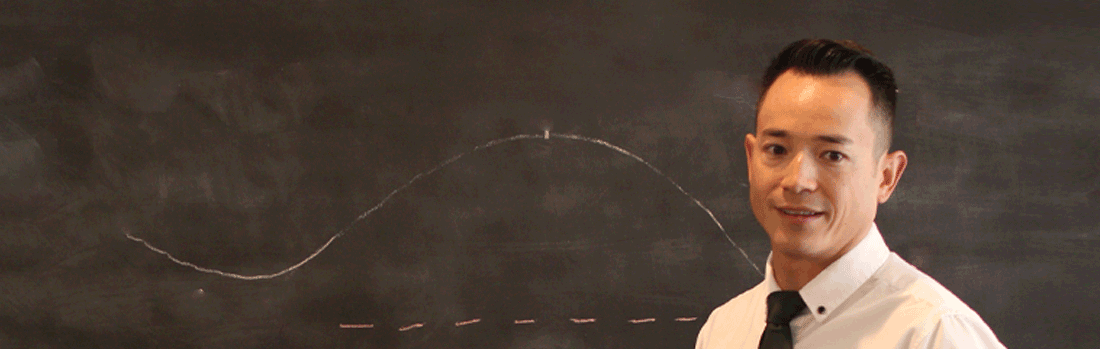
Robert Mo Clinical

Robert Mo, CADC II, ICADC

Clinical Program Director | Tree House Recovery, Costa Mesa, California

Robert Mo, CADC II, ICADC, is the Clinical Program Director at Tree House Recovery’s (THR) flagship campus in Costa Mesa, California. Robert is also Tree House Recovery’s very first client, having enrolled in its partial hospitalization program (PHP) in April 2013. Known to clients and colleagues as Rob, he has worked at Tree House since 2014 and has led the Costa Mesa center since early 2020. He earned his CADC II credential in 2019 and holds the Internationally Certified Alcohol and Drug Counselor designation. He directs clinical programming and develops and refines THR’s addiction psychoeducation curriculum with the other location directors. As Clinical Program Director, Robert leads the Costa Mesa program — building and managing a multidisciplinary team that includes licensed therapists and medical staff, and overseeing day-to-day operations and staff development. He supervises the center’s substance-use-disorder counseling staff and provides direct care to clients through one-on-one counseling and psychoeducation groups.

What to expect when working with Robert

Robert teaches from lived practice. Every tool he gives a client is one he uses himself — cognitive behavioral therapy, DBT, breath work, affirmations, and plain writing. “I got a busy brain,” he says. “I sleep next to a notebook.” He has no patience for exercises that only fill time: “Everything I give these guys — I’m not here to waste people’s time. There’s a reason behind all of it. And I use these tools daily.” He works within Tree House Recovery’s four-dimensional model of health — biological, social, psychological, and spiritual — and keeps all four connected in his own life, training alongside the men in treatment. “I like cognitive behavioral therapy. I like lifting weights. I like being around people. And I like trying to leave my mark on the world.” On the old idea that recovery can be negotiated, he is blunt — the thought of “controlled drinking … it’s laughable. I keep myself healthy so I can enjoy my life.” Some of his most important work happens in the hardest moments — when a client in acute stress wants to leave treatment against clinical advice. It starts with his own composure: “If you get activated, it’s going to activate them, and we need them calm.” The stakes are real to him: “I feel like I have to save this guy’s life in the moment … and I’m pretty much going to do whatever it takes.”

How Rob lives the work

Robert treats the same four dimensions of health the program is based on as a wellness lifestyle himself. This way of living keeps him healthy. Lifting weight is his anchor—a few times a week,  in THR’s private gym, in the gym he built at home, and often alongside clients in treatment. Once a week he takes his staff to the gym for what he calls “a clinical meeting that’s not really a meeting.” He cooks at home with his family instead of eating out, uses breath work to settle his nervous system, and keeps a notebook by the bed for a busy brain. The tools he teaches are the ones he uses daily—and between the work and his wife and kids, he says, his cup of purpose stays full.

Lived experience

Robert’s recovery began at Tree House Recovery itself. When the program opened in 2013, he was its first client — he arrived after a hard relapse, at what he describes as the edge of his life. He got well there, and he has been in recovery since. In 2014, he joined the staff of the program that helped him get sober, and he has never left. He is candid that the lifestyle he teaches is the one he lives, and he shares his story because he wants people to know that recovery is real and reachable. His lived experience is an Experience signal that sits alongside, and does not replace, the clinical credentials listed below.

Robert’s path through Tree House

Robert’s history with Tree House Recovery goes back to its founding. He was the program’s first client when it opened in 2013. After graduating, he spent about a year working at Home Depot — a steadying “get-well” job that drew on his construction-management background — before returning to Tree House as a house manager. He became the center’s addiction-education counselor, trained and mentored by a senior Tree House clinician, and built out the addiction-education curriculum he still teaches today. He moved into one-on-one counseling, helped stand up the center’s second and third treatment teams, earned his CADC II in 2019, and stepped into leadership of the Costa Mesa program in early 2020 — weeks before the COVID-19 pandemic reshaped how treatment was delivered. He now supervises the counseling team and provides training and consultation across the twelve core functions of substance use disorder counseling. In his own framing, supervision follows practice: the interventions he oversees are ones he has delivered directly.

Credentials & Licensure

  • Certified Alcohol and Drug Counselor II (CADC II) — CCAPP, credential #A054300519, issued May 2019, valid through May 2027. Verify in CCAPP registry
  • Internationally Certified Alcohol and Drug Counselor (ICADC) — IC&RC reciprocity.
  • National Provider Identifier (NPI): 1427918358 — Counselor, Addiction (Substance Use Disorder). Verify in NPI registry
  • Certificate of Achievement — Addiction Treatment in Military & Veteran Culture (NAADAC Specialty Online Training Series, 9 CE hours), completed September 2026.

Education & Training

Robert’s professional background began in construction management. He entered the addiction-treatment field through Tree House Recovery, where he was trained and mentored on the job by a senior clinician, completed the training and supervised experience required for California CADC certification, and earned his CADC II in 2019.

Clinical Focus

  • De-escalating acute crisis / against-clinical-advice (ACA) situations (“going limbic”)
  • Twelve core functions of SUD counseling (training & consultation)
  • Four-dimensional model of health (biological, social, psychological, spiritual)
  • Addiction-education curriculum development
  • Co-occurring mental health & substance use disorders
  • Cognitive behavioral therapy (CBT)
  • Dialectical behavior therapy (DBT)
  • Motivational interviewing
  • Narrative therapy (including written narrative therapy)
  • Craving & relapse prevention
  • PTSD interventions
  • Family roles & family systems
  • Grief and loss
  • Attachment theory & healthy boundaries
  • Emotional regulation, breathwork & nervous-system regulation
  • Fitness-based experiential therapy
  • Clinician training, supervision & staff development
  • Military & veteran cultural competence (NAADAC specialty training)

Robert Mo Videos
See Robert teaching

Populations Served

Robert works with adults age 18 and older living with a substance use disorder — men in the day program and co-ed clients in residential treatment — across the full adult age range, from young adults to older adults.

Professional Presence

Client experience

“Rob is extremely knowledgeable and personable. He still checks in on me to see how things are going. We went through my life experience and he taught me how to grow from it.”

Read client and family reviews of Tree House Recovery’s Costa Mesa program on Google.

Reviews reflect individual experiences and are not a guarantee of treatment outcomes; results vary.

Common questions

Is Robert Mo certified?

Yes. Robert holds a CADC II credential from CCAPP (#A054300519), issued May 2019 and valid through May 2027, plus the Internationally Certified Alcohol and Drug Counselor (ICADC) designation. His NPI is 1427918358. You can verify his CADC II in the CCAPP public registry and his NPI in the national NPI registry.

What populations does Robert Mo work with?

Adults 18 and older with substance use disorders — men in the PHP (partial hospitalization) day program and co-ed adults in the evening IOP (intensive outpatient) program. He has also completed NAADAC’s specialty training in supporting military service members and veterans.

What is Robert Mo’s clinical approach?

He works within Tree House Recovery’s four-dimensional model (biological, social, psychological, and purpose), leaning heavily on CBT and DBT, and is known for de-escalating clients in acute crisis and keeping them safely engaged in treatment.

Does Robert Mo have personal recovery experience?

Yes. Robert has been in recovery since 2013 — he was Tree House Recovery’s first client — and he draws on that lived experience in his work.

Where is Robert Mo based?

Tree House Recovery’s flagship campus in Costa Mesa, California.

READY FOR CHANGE?
START YOUR JOURNEY TODAY!